What is Pita Bread and its Origin
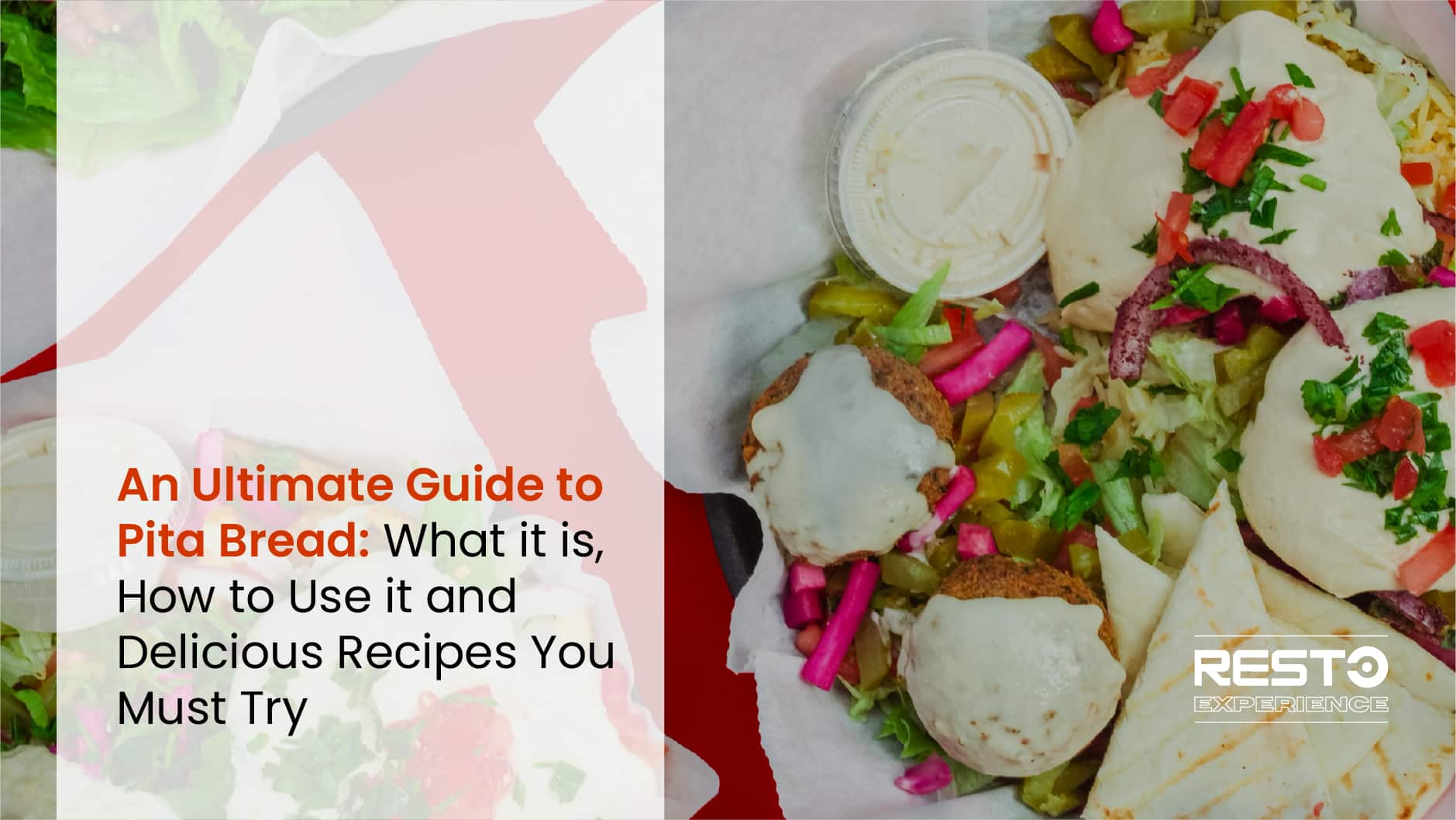
Pita bread represents a distinctive Middle Eastern bread featuring a characteristic pocket-like shape. The basic recipe combines flour, water, salt, and yeast, baked at elevated temperatures.
This bread serves as a foundational element in Middle Eastern cuisine, functioning as a vessel for dips, spreads, and sandwich fillings. Its history traces back to ancient Middle Eastern civilizations where it became a dietary staple thousands of years ago. Contemporary availability spans grocery stores and bakeries worldwide.
Different Types of Pita: Which One Should You Choose?
Several varieties exist, each offering distinct characteristics:
- Whole wheat pita: Made from whole grain flour, offering higher fiber and nutrient content
- White pita: Produced with refined flour, delivering softer texture and milder taste
- Gluten-free pita: Created using alternative flours like rice, tapioca, or chickpea flour for those with sensitivities
Selection depends on dietary requirements and intended usage.
How to Prepare and Store Pita at Home?
Preparation involves mixing flour, water, salt, and yeast, then kneading until smooth and elastic. Allow dough to rise several hours before dividing into portions, rolling thin circles, and baking until golden brown and puffed.
Storage recommendations include keeping bread in cool, dry conditions using airtight containers or resealable bags at room temperature for several days, or freezing for up to three months using parchment paper separation.
Creative Ways to Use Pita Bread in Your Cooking
Versatile applications include:
- Breakfast: Stuffed with scrambled eggs and cheese
- Lunch: Serving as salad base or sandwich vessel
- Pizza alternative: Topped and baked until crispy
- Snacks: Cut into wedges, brushed with olive oil, and baked; used for dipping with hummus or spreads
- Desserts: Spread with Nutella and banana slices
Pairing Ideas for a Perfect Meal with Delicious Pitas
Mediterranean combinations work well with hummus, baba ganoush, tabbouleh, lamb kebabs, and grilled vegetables. Casual options include various dips like tzatziki, spinach artichoke dip, and roasted red pepper hummus. Consider hosting DIY sandwich bars with diverse fillings and toppings.